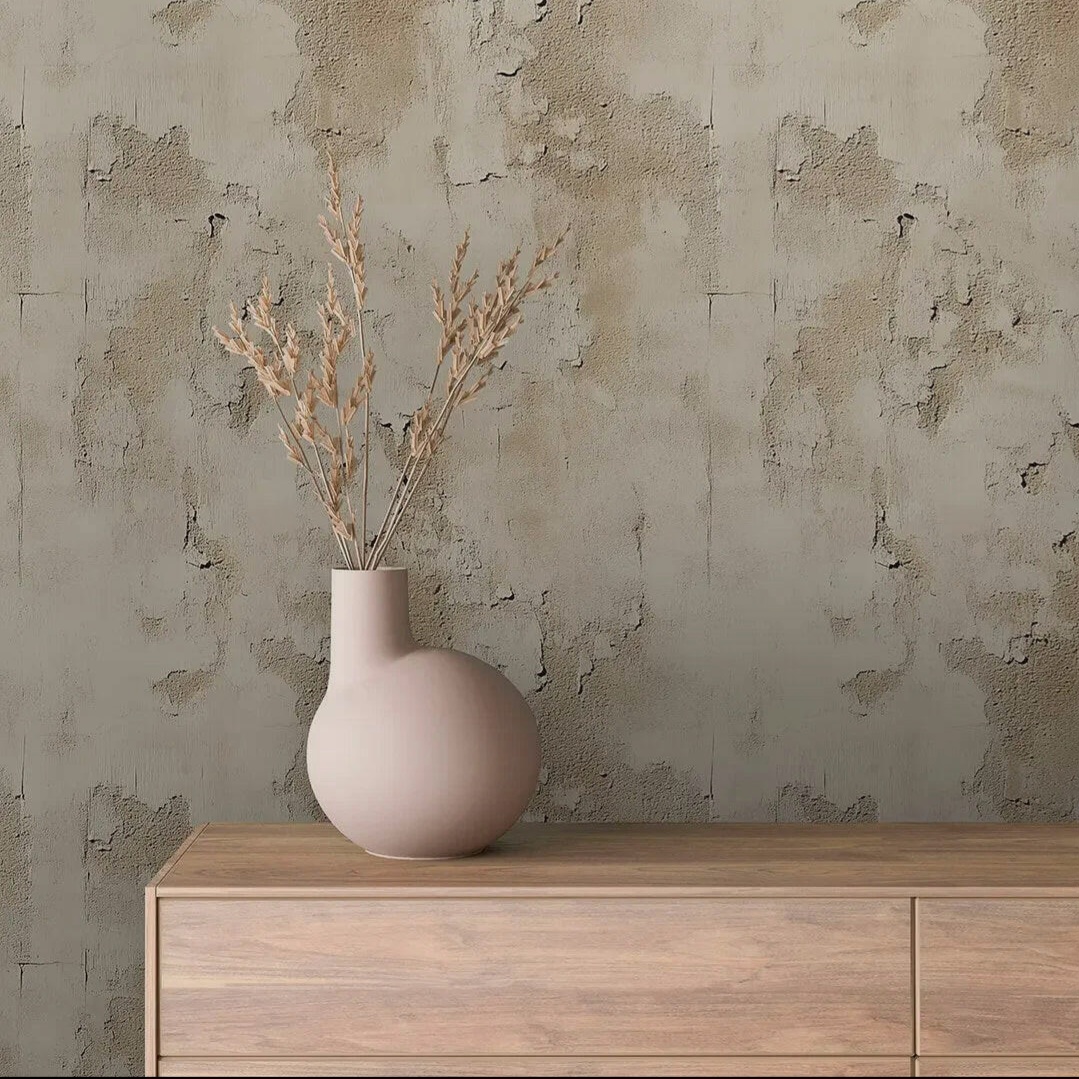
Soft plaster surface — routine care keeps the finish alive for decades

Resources

Finish Care

A practical care guide for trade clients and past installations

Care & Maintenance

Keeping Your Finish Alive

Alchemy Wall Studio finishes are designed to live with you for decades, and a small amount of thoughtful maintenance keeps them looking their best. The following notes cover routine care, spot repair, and environmental considerations for each finish we install — written for the interior designers, architects, and past clients who specify our work. For touch-ups, restoration, or refinishing beyond these guidelines, we are a single call away.

Mineral Finish Care

Limewash

  • Dust with a soft, dry microfiber cloth on a monthly cadence; high-touch areas benefit from a light pass weekly.
  • Clean with a soft damp cloth using only water — a drop of pH-neutral soap is acceptable for stubborn marks. Avoid abrasive cleaners entirely, as they will score the cured mineral surface.
  • Spot repair is straightforward: lightly mist the area with clean water, dab to lift the mark, and let the surface re-carbonate. Deep scuffs can be re-waxed in place by the studio.
  • Limewash prefers stable interior humidity. Keep rooms between 40 and 60 percent relative humidity and avoid prolonged direct sunlight, which can fade pigments unevenly over years.
  • Call us for any hairline cracking, persistent staining, or before re-painting or wallpapering over an existing limewash surface.

Limewash is intentionally a "living" finish — minor patina is characteristic of the mineral system and not a defect.

Lime-Plaster Care

Venetian Plaster

  • Dust monthly with a soft, dry cloth, following the direction of the trowel polish to maintain the burnished sheen.
  • Clean only with a soft damp cloth. We do not recommend abrasive cleaners, harsh chemicals, or solvent-based products — the sealer will cloud and the polish will dull.
  • Spot repair of small nicks or scuffs is handled in situ by the studio: we blend a tinted repair plaster to match the original mix before re-burnishing the affected area.
  • Limit prolonged direct sunlight on feature walls. Indirect UV exposure over years can shift the colour drift of deeply saturated pigment mixes.
  • Call us before any third-party contractor drills, sands, or paints adjacent surfaces — Venetian plaster is unforgiving of mechanical impact.

A penetrating sealer applied at handover protects the finish for years; a re-seal assessment every 5–7 years keeps high-traffic walls in showroom condition.

Hand-Painted Mural Care

Murals

  • Dust monthly with a soft, dry microfiber cloth; avoid feather dusters, which can catch on raised passages of impasto or metallic inlay.
  • Clean with a soft damp cloth using only water or a drop of pH-neutral soap. Do not use abrasive cleaners near edge details or signature passages.
  • Spot repair should be performed by the original artist where possible — we keep a record of pigment mixes and layering order for every mural we install.
  • Shield murals from prolonged direct sunlight with appropriate window treatments; even UV-resistant pigments will drift under sustained exposure.
  • Call us if you notice lifting at edges, hairline cracking in the ground coat, or any change in sheen that suggests moisture intrusion behind the surface.

A custom mural is original artwork — the same care considerations apply as for any fine-art collection in the home.

Specialty Paper Care

Wallpaper

  • Dust weekly with a soft, dry microfiber cloth or a vacuum brush attachment held slightly off the surface to avoid catching seams.
  • Spot-clean marks with a soft damp cloth using only water. For grasscloth and natural fibres, blot gently — never rub, as this disrupts the natural fibre lay.
  • Seam lift or small bubbling should be reported promptly. We carry the original adhesive specification for every installation and can usually repair in situ without re-hanging.
  • Maintain stable interior humidity between 40 and 55 percent. Grasscloth and silk wallpapers are particularly sensitive to dry winter air, which can shrink seams.
  • Call us before any third-party trades work near a wallpapered wall — picture hanging, electrical work, or adjacent painting all risk damage that is best prevented.

Designer wallpapers carry manufacturer care instructions; the notes above supplement — they do not replace — those guidelines.

Ready to commission a new finish or schedule maintenance?

Book a Consultation